


How to Get Enough Vitamin B12 on a Vegan Diet (Backed by Science)

Updated: Dec 4, 2025

Getting enough B12 is one of the most common questions I hear from people eating a plant-based diet — and for good reason. While plant-forward eating offers incredible benefits for your health, the planet, and animals, vitamin B12 is one nutrient that needs a little extra attention.
B12 plays a major role in energy, mood, red blood cell production, and nervous system function. And because it’s not reliably available from unfortified plant foods, vegans (and many vegetarians) need to be intentional about getting enough.
The good news? B12 is easy to maintain with the right habits — and whether you’re fully vegan, mostly plant-based, or simply adding more plants to your plate, understanding B12 helps you feel your best long-term.
Let’s walk through how to get enough vitamin B12 on a vegan diet: what B12 is, why you need it, how much to aim for, and the most reliable food and supplement options.
What Is Vitamin B12?
Vitamin B12 (cobalamin) is a water-soluble vitamin essential for keeping your body energized and functioning properly. Because it dissolves in water, the body doesn’t store large amounts — meaning you need regular intake to maintain healthy levels.
Why B12 Matters
B12 is crucial for:
Red blood cell formation
Healthy nerve and brain function
DNA synthesis and cell production
Energy metabolism
Low B12 affects everything from mood and memory to physical energy and digestion.
How Much Vitamin B12 Do You Need?
The Recommended Dietary Allowance (RDA) for adults is:
➡️ 2.4 micrograms (mcg) of B12 per day
Older adults and those with absorption issues may need more, but this baseline applies to most healthy adults.
Where Is B12 Found?
Vitamin B12 is naturally produced by bacteria — not animals. However, animal foods contain B12 because animals consume bacteria in soil, water, feed, or through supplements (like humans!) and store B12 in their tissues.
Natural sources include:
Eggs
Fish
Meat
Poultry
Milk and dairy products
Vegan B12 Sources
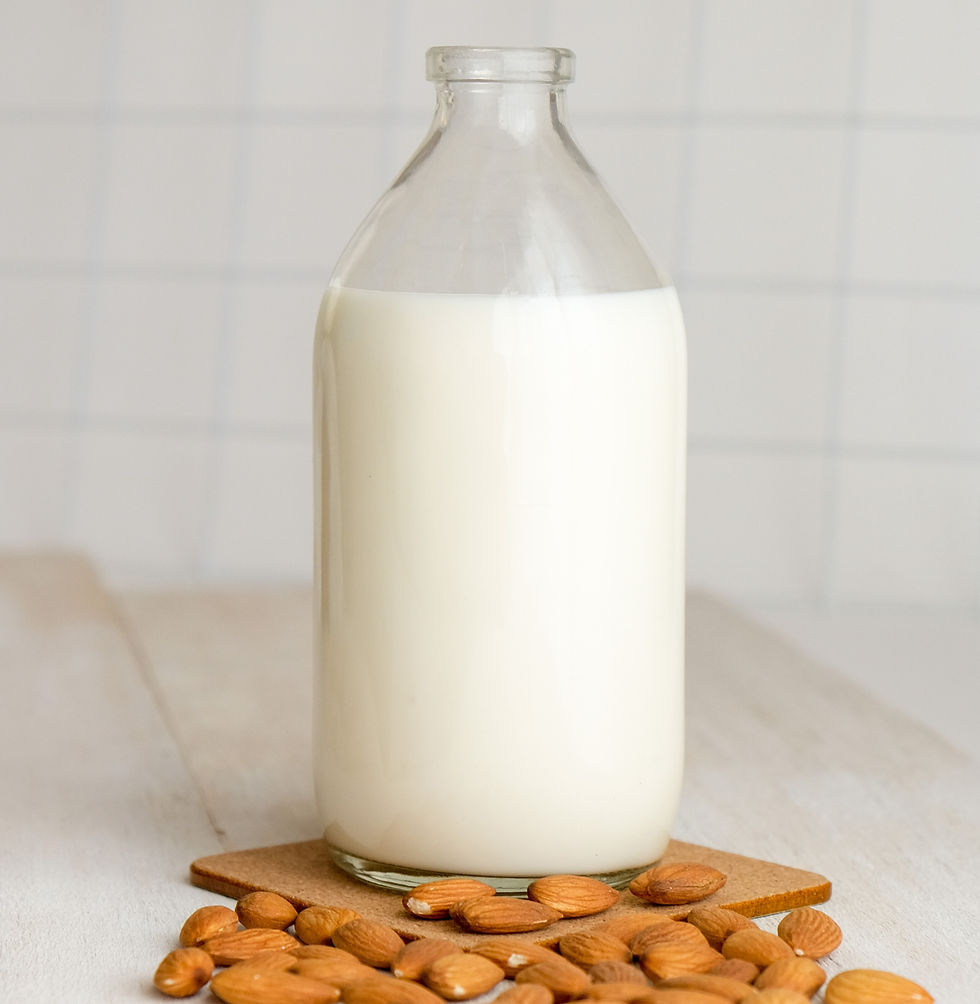
Since unfortified plant foods don’t naturally contain B12 in reliable amounts, vegans should rely on:
Fortified plant milks
Fortified cereals
Fortified meat alternatives
Nutritional yeast with added B12
However, fortified foods alone may not consistently meet daily needs, especially if you’re not eating them multiple times a day. That’s why many experts recommend supplementation.
Signs & Symptoms of B12 Deficiency
B12 deficiency can develop slowly — sometimes over the course of a year or more.
Symptoms may include:
Fatigue or weakness
Lightheadedness
Heart palpitations
Shortness of breath
Pale or jaundiced skin
Smooth or swollen tongue
Digestive changes (constipation, diarrhea, gas)
Numbness or tingling in hands or feet
Difficulty walking or muscle weakness
Vision changes
Mood changes, depression, memory issues
Even mild deficiency can impact energy and cognitive function, so prevention is key.
How to Get Enough Vitamin B12 on a Vegan Diet
There are three evidence-based strategies recommended by vegan nutrition experts:
Option 1: Eat B12-Fortified Foods Daily
Aim for 2–3 servings per day, providing at least 3 mcg total. Examples:
1 cup fortified plant milk
1–2 tablespoons fortified nutritional yeast
Fortified cereals or meat alternatives
Option 2: Take a Daily Supplement
Take at least 10 mcg daily of cyanocobalamin (the form most studied for stability and absorption).
Option 3: Take a Weekly Supplement
Take at least 2,000 mcg once per week.
All three options are safe, effective, and affordable.

Choosing the Right B12 Supplement
If you're unsure whether you’re low in B12, talk with your doctor or request a blood test. Methylmalonic acid (MMA) and homocysteine are two tests that provide better accuracy of B12 levels compared to serum B12. High levels of either test may indicate B12 deficiency.
When choosing a supplement:
Look for cyanocobalamin, unless you have a specific medical need for another form.
Choose reputable brands that do third-party testing.
Remember: supplements are meant to supplement your diet, not replace nutritious eating.
B12 supplements come as tablets, sublingual drops, sprays, or part of multivitamins — pick the format that’s easiest to stick with.

Optimizing B12 on a Vegan Diet
Vitamin B12 is one of the simplest nutrients to maintain on a vegan diet once you understand how it works. With a daily fortified food or supplement habit, you can fully support your energy, brain health, and long-term wellbeing — no guesswork required.
Plant-based eating is already doing amazing things for your body and the planet. Adding consistent B12 is just one more way to help you thrive.
Here’s to feeling energized, nourished, and empowered on your plant-powered journey! 🌱✨
Download this handout for more information on B12!
Resources:

Corinne Jacobs is a recent graduate of Troy University in Troy, Alabama with a Bachelor of Science in Exercise Science. She is currently pursuing a Master's Degree in Health Science and working on the Coordinated Program in Nutrition in order to become a Registered Dietitian Nutritionist at Georgia State University. She believes that health is multi-faceted and should be approached from many different angles in order for an individual to be the best version of themselves. She hopes to use her Exercise Science background with her Master's degree in order to work with patients with chronic illnesses such as Heart Disease and Type II Diabetes.


