


Matcha or Coffee: Which Is Better for Energy, Mood, and Focus?


Matcha lattes seem to be everywhere — from neighborhood cafés to social media feeds. Meanwhile, coffee remains the long-standing morning ritual that millions rely on for a reliable energy boost.
With both beverages promising alertness, antioxidants, and potential wellness benefits, many people are asking: Is matcha healthier than coffee?
While both drinks contain caffeine and beneficial plant compounds, they affect the body in very different ways. Understanding those differences can help you choose the beverage that best supports your energy levels, focus, and overall well-being.
In this article, we’ll explore:
What is matcha
How matcha and coffee differ nutritionally
How each affects energy, mood, and focus
The potential benefits and downsides of both
How to choose high-quality matcha or coffee
Let’s start with the basics.
What Is Matcha?

Matcha is a finely ground powder made from shade-grown green tea leaves. Unlike traditional green tea, where the leaves are steeped and discarded, matcha is whisked into liquid and consumed whole.
Because you ingest the entire leaf, matcha contains higher concentrations of antioxidants and amino acids, particularly L-theanine, compared with most other teas. L-theanine is known for promoting calm alertness and may help balance the stimulating effects of caffeine.
This unique combination of compounds gives matcha its reputation for providing steady, focused energy.
Matcha vs Coffee: Caffeine Content

Both matcha and coffee contain caffeine, but the amount and how the body processes it differ.
Coffee: roughly 100–140 mg caffeine per cup
Matcha: about 60–70 mg caffeine per cup
Coffee’s caffeine is absorbed quickly, which often produces an immediate boost in alertness.
Matcha’s caffeine, however, is paired with L-theanine, which slows the absorption of caffeine and can create a more gradual and sustained energy release.
For many people, this difference means:
Coffee = faster stimulation
Matcha = steadier, calmer energy
How Matcha and Coffee Affect Energy Levels

The way caffeine enters the bloodstream influences how your energy feels throughout the day.
Coffee
Rapid caffeine absorption
Quick mental stimulation
Greater likelihood of a later energy crash for some people
Matcha
Slower caffeine release due to L-theanine
Smoother energy curve
Less jitteriness for many individuals
This is why some people describe matcha as “focused energy” rather than the sharper stimulation often associated with coffee.
Potential Benefits of Matcha

Matcha’s unique nutritional profile may offer several health benefits.
Calm, Focused Energy
L-theanine promotes relaxation without drowsiness and may improve attention and cognitive performance.
High Antioxidant Content
Matcha is particularly rich in epigallocatechin gallate (EGCG), a powerful antioxidant associated with reduced inflammation and cellular protection.
Potential reduction in cancer risk
Matcha’s richness in EGCG may help lower the risk of certain cancers through its effects on cell growth and apoptosis.
Cardiometabolic Support
Research suggests compounds in green tea may help improve cholesterol levels and support heart health through antioxidant and anti-inflammatory mechanisms.
Mood and Anxiety Support
Studies suggest the combination of caffeine and L-theanine in matcha may support attention and help reduce anxiety in certain contexts.
Lower Acidity
Matcha is naturally less acidic than coffee, making it a gentler option for some people with sensitive digestion.
Downsides of Matcha
Despite its benefits, matcha may not be the right choice for everyone.
Higher cost: Quality matcha can be significantly more expensive than coffee.
Earthy flavor profile: Some people find matcha’s grassy or earthy taste an acquired preference.
Caffeine sensitivity: Although gentler than coffee, excessive intake can still lead to jitteriness or restlessness.
Potential Benefits of Coffee

Coffee remains one of the most widely consumed beverages in the world — and for good reason.
Fast Mental Alertness
Coffee’s higher caffeine content provides a rapid energy boost, making it ideal for early mornings or quick bursts of productivity.
Rich in Antioxidants
Coffee is actually one of the largest sources of antioxidants in many diets, which may help reduce oxidative stress and inflammation.
Variety and Personalization
From espresso to cold brew, coffee offers endless brewing methods and flavor profiles.
Accessible and Affordable
Compared with matcha, coffee is widely available and typically more budget-friendly.
Downsides of Coffee
For some people, coffee’s stimulating effects can come with trade-offs.
Jitters or anxiety: High caffeine intake may increase nervousness or heart palpitations.
Digestive irritation: Coffee’s acidity may aggravate reflux or stomach discomfort in sensitive individuals.
Dependence and withdrawal: Regular high intake can lead to headaches or fatigue when caffeine is skipped.
Hidden sugars and fats: Specialty coffee drinks often contain syrups, creamers, and sweeteners that add excess sugar and calories.
How to Choose High-Quality Matcha
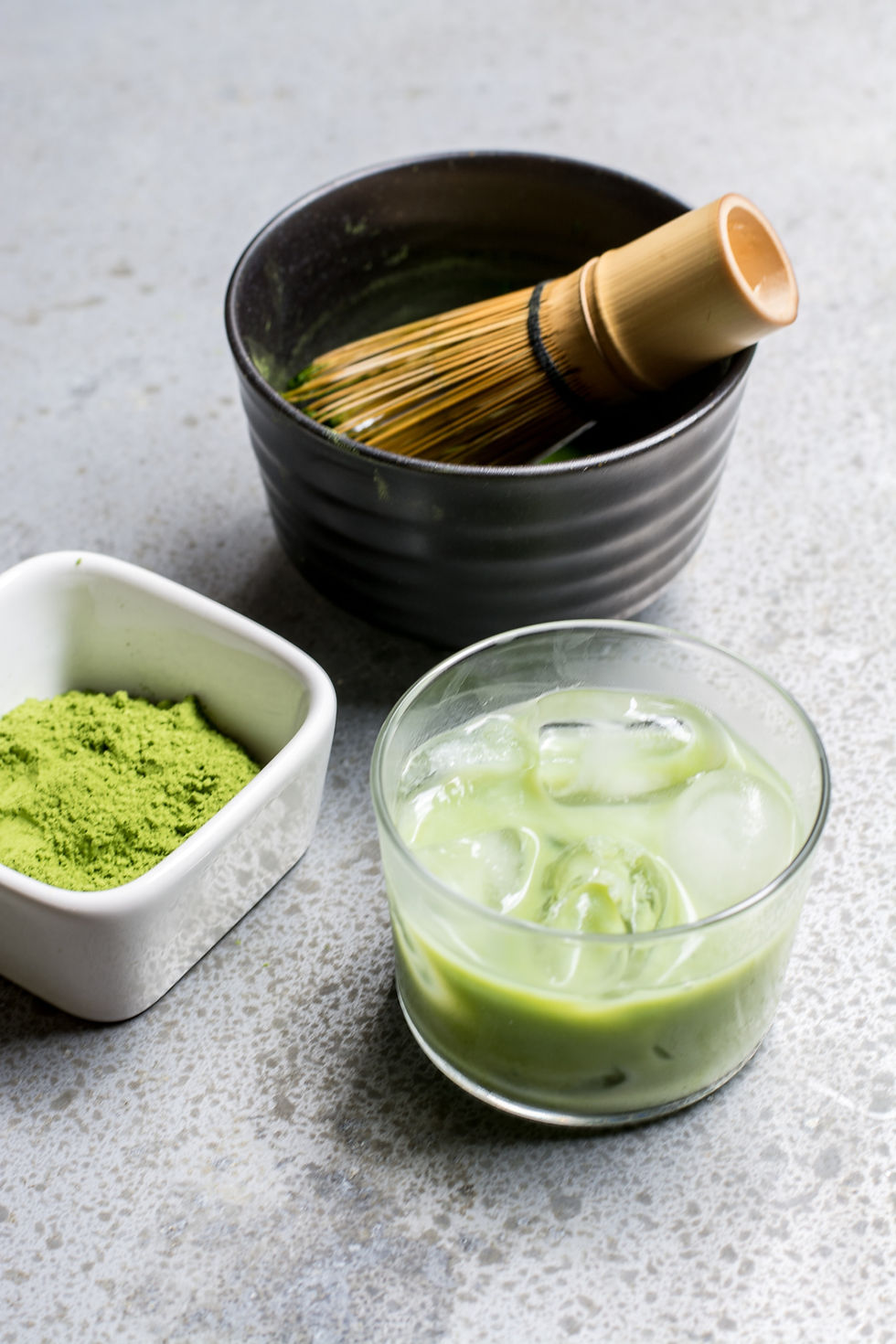
Not all matcha is created equal.
Look for:
Organic matcha grown in Japan
Bright green color, which signals freshness
Recent harvest or clear expiration date
Ceremonial vs Culinary Matcha
Ceremonial grade: Highest quality, smoother flavor, and typically more expensive.
Culinary grade: Slightly stronger taste and more affordable, making it ideal for daily lattes, smoothies, or baking.
For most people, high-quality culinary matcha strikes the best balance between nutrition and price.
How to Choose Quality Coffee

To maximize coffee’s benefits:
Choose freshly roasted beans
Limit sugary syrups and creamers
Experiment with brewing methods to reduce bitterness
Consider organic coffee when possible
Conventional vs Organic Coffee: Does It Matter?
When choosing coffee, organic options may offer additional benefits. Organic coffee is typically grown with no synthetic pesticides or fertilizers, in comparison with conventional coffee.
Choosing organic coffee may reduce exposure to chemical residues while supporting more sustainable farming practices.
While both types can fit into a healthy lifestyle, organic coffee may be a better choice for those prioritizing environmental and long-term health considerations.
Matcha or Coffee: Which Is Better?
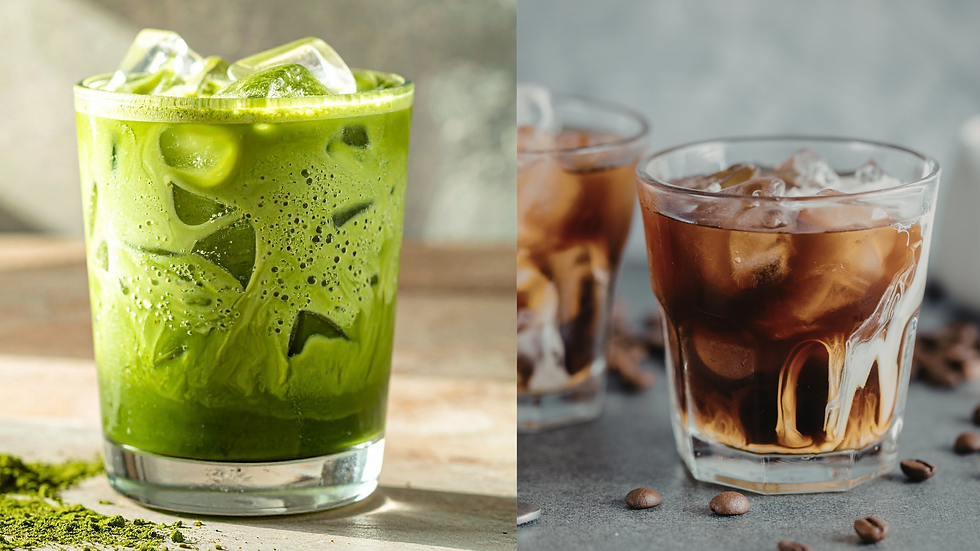
Both beverages can be part of a healthy lifestyle — the best choice depends on what you’re looking for.
Matcha may be ideal if you want:
Calm, sustained energy
Improved focus without jitters
A gentler option for digestion
Coffee may be ideal if you want:
Fast mental stimulation
Stronger caffeine effects
A familiar, customizable beverage
For many people, the answer isn’t choosing one over the other — it’s using both strategically throughout the day.
Coffee might be the go-to for an early morning boost, while matcha can provide steady focus during the afternoon slump.
The Bottom Line
Both matcha and coffee offer antioxidants, caffeine, and potential health benefits. The key difference lies in how they deliver energy.
Coffee provides a quick burst of stimulation, while matcha offers smoother, longer-lasting focus thanks to its combination of caffeine and L-theanine.
Ultimately, the best beverage is the one that helps you feel energized, focused, and balanced without unwanted side effects.
Whether you’re whisking a matcha latte or brewing your morning coffee, both drinks can play a role in a wellness routine that supports energy, mood, and productivity.
P.S. If you're a coffee lover looking to explore matcha, consider trying this Mood Boosting Matcha Maca Latte.
Written by Georgia State dietetic intern, Judy Mahgoub

Hi! I’m Judy, a graduate student in the Nutrition Coordinated Program at Georgia State University. I’m passionate about nutrition education, the connection between food and mood, and sharing evidence-based nutrition information in a way that feels practical for everyday life. Outside of school, I enjoy spending time in nature and reading novels. My goal is to help others feel more confident and informed in their nutrition choices while honoring their individual experiences and cultural values.


