


A Healthy Detox Doesn’t Come From a Box: Why Cruciferous Vegetables Win Over Commercial Detoxes Every Time

Updated: Jan 26

A New Year brings new goals and for some, the desire to cleanse from the inside out.
Many people turn to detoxes of all types for many different reasons. Today consumers can find a wide variety of juice cleanses, detox teas, colon cleanses and more, all promising to “rid the body” of toxins.
While these methods sound simple and effective, they could potentially also be harmful and may not provide as many benefits as advertised. They also don't set you up for a sustainable long-term plan.
One often-overlooked (but incredibly effective) detox strategy? Eating cruciferous vegetables.
In this article, you’ll learn:
What cruciferous vegetables are
How they support your body’s natural detox process
How they compare to juice cleanses, detox teas, and colon cleanses
Easy, delicious ways to eat more of them—without extremes
Why cruciferous vegetables win over commercial detoxes
What Are Cruciferous Vegetables?

According to the Academy of Nutrition and Dietetics, the term cruciferous comes from the Latin cruciferae, referring to the cross-shaped appearance of these plants’ flowers or leaves.
Cruciferous vegetables include:
Broccoli
Cauliflower
Cabbage
Kale
Bok choy
Arugula
Brussels sprouts
Watercress
These vegetables are nutritional powerhouses—rich in fiber, vitamins, minerals, and unique plant compounds (phytochemicals), while being naturally low in calories.
Beyond their general health benefits, they play a unique role in supporting the body’s detoxification system.
How Cruciferous Vegetables Support Natural Detoxification

Here’s where cruciferous vegetables truly shine.
Your liver is your primary detox organ. It constantly works to neutralize, transform, and eliminate toxins—from environmental pollutants to byproducts of normal metabolism.
However, it relies on specific nutrients and compounds to do this work efficiently.
Cruciferous vegetables contain glucosinolates, sulfur-containing compounds that help stimulate the liver’s detox enzymes. When these vegetables are chopped, blended or chewed, glucosinolates interact with an enzyme called myrosinase, which is naturally present in the plant.
This interaction produces sulforaphane, a potent phytonutrient that:
Activates liver detoxification enzymes
Supports antioxidant defenses
Is being studied for its role in cancer prevention and cellular protection
Why Cruciferous Vegetables Win Over Commercial Detoxes
In simple terms:
Your liver already knows how to detox.
Cruciferous vegetables help turn the system on.
No starvation. No laxatives. No extreme protocols.
Dr. Michael Greger explains this process well—watch the short video here.
Juice Cleanses, Detox Teas, and Colon Cleanses: How Do They Compare?

Commercial detox products often promise fast results—but the science doesn’t support many of their claims.
Colon Cleanses
Colon cleanses lack strong scientific evidence and have been associated with multiple FDA warnings.
Research shows they can cause:
Nausea and vomiting
Abdominal pain
Dehydration and electrolyte imbalance
In severe cases, kidney injury or infection
The colon doesn’t need “cleaning.” It’s designed to eliminate waste on its own.
Juice Cleanses
Juicing can increase intake of the vitamins, minerals and phytochemicals found in fruits and vegetables, and may temporarily lower blood pressure or improve insulin sensitivity.
However:
Most weight loss is temporary and regained.
Fiber, the key component in gut health, is largely removed.
High oxalate intake (from certain greens) may increase kidney stone risk in susceptible individuals.
Detox Teas
Many detox teas contain stimulant laxatives or diuretics. Without adequate food and hydration, they may lead to dehydration and electrolyte imbalances.
Bottom line:
Juices and teas can fit into a balanced diet—but they should complement whole foods, not replace them. They don’t outperform the body’s natural detox systems, and they certainly don’t replace the benefits of eating intact plants.
How Many Servings of Cruciferous Vegetables Do You Need?

General guidelines recommend adults consume at least 2½ cups of vegetables per day.
For reference:
1 cup raw or cooked broccoli, cauliflower, or Brussels sprouts = 1 serving
2 cups raw kale or arugula = 1 serving
You don’t need massive amounts—consistent, daily inclusion is what matters most.
Raw or Cooked: Which Is Better for Detox?
Both raw and cooked cruciferous vegetables offer health benefits. However, if detox support is your goal, raw or lightly prepared is ideal.
Heat can deactivate myrosinase, the enzyme needed to form sulforaphane. The good news? You can still get benefits even if you prefer cooked vegetables.
Ways to Preserve or Restore Myrosinase Activity:
Add mustard powder or mustard seeds to cooked veggies.
Pair cooked cruciferous vegetables with a small amount of raw ones.
Top meals with broccoli sprouts or cruciferous microgreens.
Sprinkle finely chopped raw cabbage, kale, or arugula over warm dishes.
And remember: the best preparation is the one you’ll eat consistently. These vegetables support far more than detox alone—providing fiber for gut health, vitamin C and A for immune function, and magnesium for mood and sleep.
Easy Ways to Eat More Cruciferous Vegetables

Try incorporating them into meals you already enjoy:
Salads with raw kale, arugula, or watercress
Soups and stews with broccoli, greens, or Brussels sprouts
Grain bowls topped with roasted cruciferous veggies and raw microgreens
Smoothies with a small handful of kale or watercress
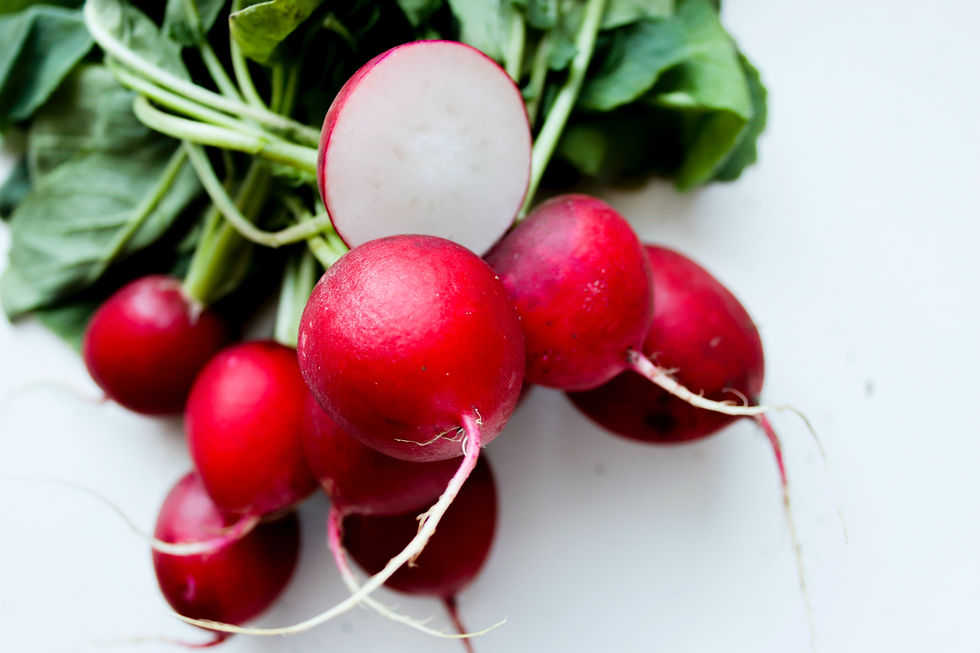
Sliced radish and chopped cauliflower with hummus
Tacos topped with sprouts or shredded cabbage
Flavorful, realistic meals and snacks make consistency easy—and that’s where the real benefits come from.
If you'd like more inspiration, visit these fun and flavorful recipes:
The Takeaway: Detoxing Isn’t Extreme—It’s Everyday

There’s no shortage of detox products on the market, but most overlook a simple truth: Your body is already equipped to detox—when you support it properly.
Cruciferous vegetables provide the compounds your liver needs to do its job safely and effectively, without deprivation or risk. When paired with whole grains, plant proteins, hydration, and lifestyle habits like reducing alcohol and excess sugar, they support detoxification all year long—not just in January.
Skip the cleanse. Eat the veggies. Support your body to do what it’s designed to do.

Kandace Wormsby, MS, is a highly experienced Exercise Physiologist with a strong background in cardiac rehabilitation, neurological rehabilitation, and special populations training. She holds a Master of Science in Kinesiology and a Bachelor of Science in Marketing, bringing both clinical expertise and a well-rounded approach to patient care. Kandace is currently a student in the Coordinated Program at Georgia State University, pursuing her second Masters degree to become a Registered Dietitian. With over seven years in the health and wellness industry, she specializes in creating individualized, evidence-based exercise programs for individuals with various health conditions, in addition to working with the general population. She is committed to empowering patients and clients to improve their health, confidence, and overall quality of life through movement and nutrition education.
References:


